Rental, a direct response to climatic and economic challenges
Ski resorts no longer have the luxury of ignoring climate change. Between more irregular snowfall and infrastructures that are costly to maintain, they are looking for more flexible solutions.
Renting is gradually becoming the obvious solution: it reduces the volume of equipment to be produced, provides better maintenance and replacement of equipment, and limits seasonal unsold stock.
This change accompanies a wider transformation already visible in many mountain resorts: electric shuttles, funicular railways, sorting initiatives, energy renovations, environmental labelling... The resorts involved are demonstrating that there is another, more sober and more efficient way. By reducing individual ownership in favor of sharing, the mountains gain in efficiency without losing in pleasure.
Less equipment, more use: the shared economy at high altitude
The equipment rental is not new, but it is changing scale. Today, resorts see it as a way of limiting the production of new equipment, which often takes a lot of energy to manufacture and transport.
Why does it work?
- Fewer products manufactured, so fewer resources mobilized.
- Centralized maintenance, more regular and less transport-intensive.
- Targeted renewal, based on actual wear and tear rather than bulk purchasing.
- A simplified experience for holidaymakers, who avoid coming over-equipped.
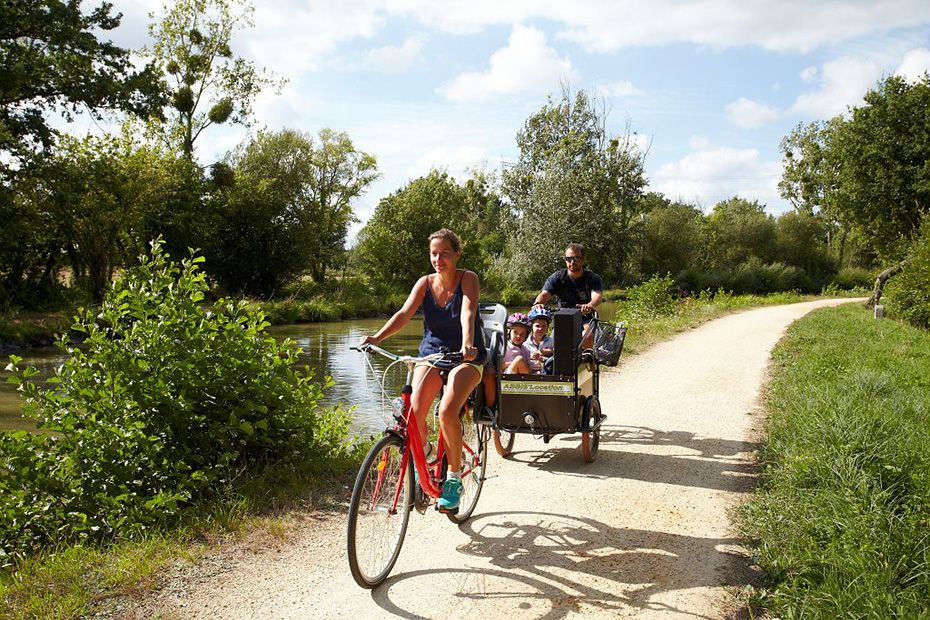
This model also extends to other winter and summer activities: luge, raquettes, assisted mountain bikes, children's trailers... Some resorts even adapt their offer according to current weather conditions, making rental even more relevant and limiting unnecessary purchases.
Soft mobility: why rental is a game-changer
Transport is the main source of emissions during a mountain holiday. But reducing the use of private cars is not just a matter of raising awareness: alternatives must be made simple and accessible. Rental plays a central role in this.
Three visible levers in the field
- Short-term rental of assisted bicycles, scooters or cargo bikes in resorts for everyday use.
- Easier access to local buses, funiculars or valley elevators thanks to intermodal stations.
- Logical complementarity with the train, thanks to packaged offers, secure lockers or rental companies located right outside the station.
Result: visitors arrive in a different way, get around with greater peace of mind, and villages come back to life. Some resorts are also experimenting with free shuttles to further reduce the need for cars.
Shared services: towards a more agile, less energy-consuming resort
Tourist infrastructures are expensive and consume a lot of energy: workshops, storage areas, heated lockers, technical rooms... By sharing services via rental platforms, resorts use less space and avoid multiplying facilities.
What this changes in concrete terms
- ** centralized pick-up areas** which limit unnecessary travel.
- Optimized stocks, meaning fewer buildings to heat and light.
- Better management of flows, reducing the need for internal transport vehicles.
- A clearer, simpler and more pleasant resort for visitors.
These new models also improve accessibility: families, beginners, school groups... everyone can find suitable equipment without overloading or excessive cost. This dynamic is consistent with the rise of four-season activities, which often rely on the rental of diversified equipment.